
Most physical disabilities have no physiological impact on a woman's sexual and reproductive capacity. In fact, if you want to be a mother in a wheelchair, you can achieve a smooth pregnancy, have an uncomplicated vaginal delivery, and have a postpartum recovery as satisfactory as any other woman.
It is also important to emphasize that wheelchair pregnancy will not deteriorate or worsen your injuries, nor does it increase the risk of intrauterine death.
Still, being a wheelchair mom can have some complications. These types of pregnancies are always considered high risk, and require stricter monitoring by doctors, gynecologists and obstetricians throughout pregnancy, during delivery and postpartum.
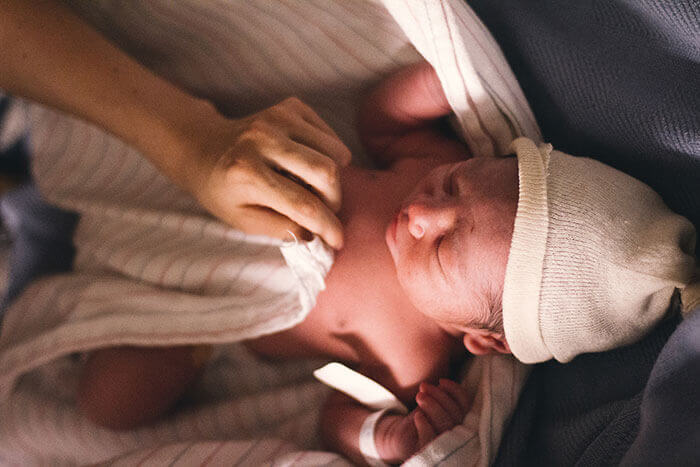
Wheelchair pregnancy
Most paraplegic or spinal cord injured women can achieve spontaneous pregnancy as long as it’s advised by a health professional. If they have ovulation problems related to their disability or for any other reason, they can resort to different assisted reproductive techniques.
In any case, before taking the step, it is advisable that you consult with your doctor to assess your physical condition, the side effects of your injury or if you take medications for your disability, since some could be incompatible with pregnancy or be harmful to the fetus.
In the pregnancies of women in wheelchairs, recurrent urinary infections are very common. These can trigger contractions that are difficult to identify but can lead to premature labor. For this reason, you will need to test your urine more frequently to detect the presence of bacteria.
On the other hand, and due to weight gain and position, if you are going to be a wheelchair mother, pressure ulcers and circulation problems are also more common.
Respiratory disorders, the risk of venous thrombosis, autonomic dysreflexia with headache (loss of central regulation of the Sympathetic Nervous System), increased blood pressure or increased prematurity are also associated with wheelchair pregnancies.
In addition, in case of rupture of the amniotic sac (bag of waters), you may not notice it due to the lack of sensitivity in the area. For this reason, experts advise future mothers in a wheelchair to rest from week 30 and be monitored from week 28. Hospital admission may even be recommended to control the final stage of pregnancy.

Wheelchair delivery and postpartum
The risk of preterm birth in wheelchair-bound women is 35% higher than in women without physical disabilities.
It will be the medical team who, when the time comes or already in the previous controls, assess a vaginal delivery or perform a cesarean section, just like any other pregnant woman.
In women with severe injuries or alterations to the external or internal birth canal, a cesarean section will be performed. In all other cases, the decision depends on whether the pelvis is intact, the presence of injuries and their severity, and whether the muscles in the area are strong enough to cope with pushing. In this case, despite the lack of sensitivity, you will notice the contractions due to the hardening of the abdomen and the contraction of the uterus.
Another aspect to keep in mind is that epidural anesthesia is administered in all cases.
Regarding the postpartum period, the mother in a wheelchair requires practically the same care as any other woman who has just given birth, although with a few differences.
The puerperium lasts six weeks, which is the approximate time it takes for the body to return to normal. During this time, the mother in a wheelchair should have enough rest, lead a relaxed life and take care of her diet, especially if she is breastfeeding.

Regarding breastfeeding, most wheelchair mothers can breastfeed their baby without problem, although women with spinal cord injuries should be aware of two things: they may notice more spasticity (permanent contraction of the muscles) in the bladder when breastfeeding and to produce less milk if they have numbness in the nipples, since contact with the baby may not be a sufficient stimulus.
On the other hand, one of the main risks for all postpartum women is infections. To prevent them, the daily shower is recommended instead of the bath, for which you may need help from your partner or a family member.
If an episiotomy has been performed, pay special attention to the perigenital area. The stitches must be washed several times a day and dried properly, following the instructions of your gynecologist, for which you will also need help.
In the case of hemorrhoids due to expulsive efforts, you can wash the area with cold water and apply a specific ointment, always being careful not to touch the episiotomy area.
Urination and bowel habits get out of control long after delivery, so it is recommended to eat a healthy diet and eat foods rich in fiber as well as drink plenty of fluids during the postpartum period to facilitate breast feeding and avoid constipation.
Finally, when a woman has an episiotomy to enlarge the opening to the vagina, doctors may recommend using a heat lamp to help the skin around the area heal faster. However, these heat lamps are not recommended for women in wheelchairs due to spinal cord injuries , as they will not notice the risk of burns, and this can be very dangerous.
If you're about to become a wheelchair mom, these tips may be interesting. Consult with your doctor to find out how you should cope with the postpartum and the first days at home with your baby.
If you liked this post, on the Sunrise Medical blog you will find more related and interesting content.
One of the most fundamental aspects for maternity with disabilities is mobility , at Sunrise Medical you will find a wide range of manual wheelchairs and electric wheelchairs . Do you want us to advise you which one is the best for you? Get in touch with us, we are waiting for you!